
I remember the first time I smelled the pork lard and fermented shrimp paste wafting from a specific basement in Hong Kong. It was 2014, and the only way you found this place was by following a trail of steam and the rhythmic thud of a heavy cleaver against a wooden block.
There was no neon sign, no curated plywood interior, and certainly no line of twenty-somethings holding iPhones at eye level like digital offerings to a hungry god. The food was the destination, a visceral, greasy, life-altering experience that lived in the palate, not the camera roll.
Today, that same basement is a curated graveyard of its former self, haunted by the ghosts of a thousand "Must-Try" reels. The regional food scene has been strip-mined for content, and the result is a landscape of high-priced, low-flavor tourist traps designed for the lens rather than the tongue.

The Visual Language of Viral Hunger
The algorithm doesn't care about the subtle balance of acidity in a sauce or the twenty-year-old sourdough starter used by a local baker. It cares about the "money shot"—the slow-motion cheese pull, the yolk pop, the glossy sheen of a sugar glaze that looks like liquid glass.
We have entered an era where food is designed to be looked at, not eaten. It is a sensory betrayal where the visual metaphor for flavor has replaced flavor itself, leaving us with dishes that are beautiful, expensive, and utterly hollow.
Think about the Birria taco craze that swept through New York and London like a fever. What was once a soulful, regional goat stew from Jalisco became a neon-drenched aesthetic trend, defined more by the dip into the consommé than the actual quality of the meat.
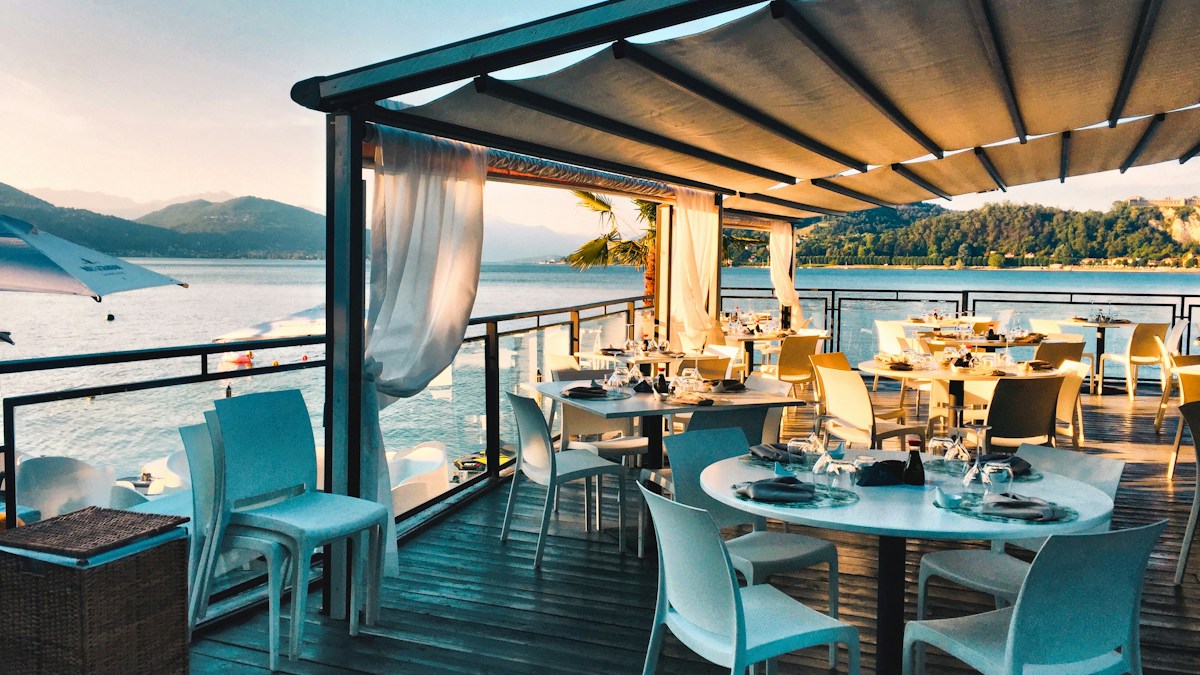
When food becomes a prop, the craftsmanship of the kitchen takes a backseat to the lighting of the dining room. I’ve written before about the one step you're skipping that makes everything taste flat, but in the world of TikTok food, that "step" is usually the soul of the recipe itself.
Restaurateurs are now spending more on ring lights and "Instagrammable" wallpaper than they are on high-quality produce. They know that a viral thirty-second clip can bring in more revenue than a decade of building a loyal local following.
This is the death of the neighborhood secret. Once a spot hits the "For You" page, the regulars are priced out, the quality is diluted to meet mass demand, and the vibe is murdered by the sheer volume of people who are only there to say they were there.

The Architecture of the Digital Queue
The queue has become the new status symbol, a physical manifestation of digital scarcity. In cities like Tokyo or Paris, you see lines snaking around corners for pastries that are, at best, a seven out of ten, but possess a specific, recognizable shape.
Take the "Croissant Supreme" or the various viral circular pastries that dominated social media last year. These aren't culinary breakthroughs; they are architectural feats designed to survive a thirty-minute photoshoot in the humidity of a summer afternoon.
The queue serves as a filter—it weeds out anyone who actually wants a quick, delicious meal and leaves only the most dedicated content creators. It turns dining into an endurance sport, where the prize isn't the caloric intake, but the social capital of the post.

I recently walked past a small ramen shop in the East Village that I used to frequent for its quiet, contemplative atmosphere. Now, there is a velvet rope and a bouncer, as if the act of slurping noodles has become a VIP experience at a mid-tier nightclub.
This shift in design mirrors what we see in the broader culture. As I noted in Minimalism Is Dead — Why Gen Z Is Replacing Millennial Pink With Chaos, the stark, clean lines of the 2010s are being replaced by a cluttered, "maximalist" aesthetic that looks better in a frantic, high-speed video edit.
The result is a restaurant interior that feels like a movie set—shallow, bright, and temporary. The furniture is uncomfortable because they don't want you to stay; they want you to get the shot, eat the lukewarm food, and vacate the seat for the next follower.

The Death of Regional Nuance
TikTok has a way of flattening the world, turning distinct regional delicacies into a globalized soup of "viral eats." When a specific dish goes viral, it is immediately copied by "concept" kitchens from Dubai to Des Moines, stripped of its cultural context and history.
The Chopped Cheese, a staple of New York bodega culture, was suddenly being sold for $22 in upscale bistros with truffle oil and micro-greens. The very thing that made it special—its accessibility and its gritty, unpretentious roots—was sacrificed on the altar of the aesthetic.
We are seeing the same thing happen with Tanghulu in Korea and the London Bagel Museum in Seoul. These aren't just snacks; they are signals of a specific type of digital literacy that ignores the actual geography of the food.

When everything is available everywhere in a homogenized, hyper-sweetened, or hyper-cheesy format, we lose the sense of place that makes travel worth the price of a plane ticket. Why go to a specific neighborhood in Naples when the "viral pizza" in your local mall looks identical on screen?
This homogenization is a tragedy for the small-scale artisan. The baker who refuses to change their recipe to make it more "photogenic" is left in the shadows, while the one who adds a gallon of food coloring to their dough becomes a global sensation.
It creates a feedback loop where the only way to survive as a new business is to lean into the gimmick. We are losing the middle ground of dining—the reliable, high-quality spot that doesn't need a gimmick to exist.

The Economic Toll of the "Must-Try" List
The influx of "food tourists" driven by short-form video has a devastating effect on local economies. In places like Borough Market in London, the traditional grocers are being pushed out to make room for stalls selling "strawberry cups with chocolate drizzle" because that’s what the tourists saw on their phones.
The prices skyrocket to accommodate the transient crowd, making the market unusable for the people who actually live in the neighborhood. It is a form of culinary gentrification that happens at the speed of light.
We saw a similar trend in the sports world, where the focus shifted from the game to the spectacle. As discussed in 7 Reasons Stadium Food Is Suddenly Better (And Way More Expensive), the experience is being engineered to justify a higher price point through visual flair rather than fundamental quality.

In the restaurant world, this translates to the "service charge" and the "Instagram tax." You aren't just paying for the ingredients; you are paying for the brand identity that the restaurant has cultivated through its social media presence.
The tragedy is that the extra money rarely goes to the staff or the producers of the food. It goes into the marketing budget, the influencer partnerships, and the rent for a space in a high-traffic "trending" district.
The local who just wanted a sandwich is now faced with a forty-minute wait and a price tag that has doubled in eighteen months. They eventually stop coming, and the restaurant becomes a pure tourist trap, disconnected from the community that birthed it.

The Aesthetic Verdict: Minimalism vs. Chaos
There is a specific look to the modern tourist trap: bright neon signs with catchy slogans like "Feed Me" or "Good Vibes Only." The lighting is harsh and overhead, designed to bounce off a phone screen without creating shadows on the plate.
It is a far cry from the dim, moody lighting of a classic bistro or the functional fluorescent hum of a real diner. The design is loud, demanding your attention and your engagement, much like the apps that drive the traffic.
This "Chaos" aesthetic is a reaction to the boring, sanitized minimalism of the past decade. But while minimalism was often cold, this new aesthetic is often tacky—a visual overload that masks the mediocrity of the actual product.
I find myself longing for the days of the un-designed space. The places where the menu was printed on a piece of paper tucked into a plastic sleeve and the chairs didn't match, but the soup was the best thing you'd ever tasted.
We are losing the ability to judge a place by its smell or its atmosphere. Instead, we check the "tagged photos" on Instagram to see if the lighting will be flattering for our own content, turning the act of dining into a vanity project.
The aesthetic is winning, but the culture is losing. We are trading the visceral joy of a hidden gem for the shallow satisfaction of a viral hit, and our palates are the ultimate casualties.
Reclaiming the Unphotogenic Meal
How do we fight back against the TikTok-ification of our food culture? It starts with a radical act: putting the phone away and looking for the places that the algorithm has ignored.
Look for the spots with no social media presence, the ones where the owner looks at you with slight confusion when you ask if they have a "signature dish." Look for the brown food—the stews, the braises, the sauces that look like mud but taste like heaven.
True regional food is often ugly. It is messy, it is stain-prone, and it doesn't always fit neatly into a 9:16 vertical frame.
We need to stop rewarding the gimmick and start rewarding the craft. If a sandwich costs $25 and comes with a side of "theatrical smoke," it’s probably not a good sandwich; it’s a performance, and you are the unpaid extra in someone else’s content.
There is a certain dignity in a meal that only exists in the moment. When the steam hits your face and the flavors explode on your tongue, and there is no digital record of it—that is when you are truly eating.
The next time you see a line for a "viral" bakery, keep walking. Find the place three blocks away with the faded awning and the old man reading a newspaper behind the counter; that’s where the real story is.
We have to stop being tourists in our own cities. We have to stop letting the algorithm tell us what tastes good and start trusting our own senses again, before the last real neighborhood joint is replaced by a pink neon sign and a mediocre cupcake.