
Walk into any major city’s trendy district and you will find it within three blocks. The heavy velvet curtain, the dimly lit room smelling of burnt orange peel, and the bartender with a vest and a mustache that requires more maintenance than a vintage Ducati.
Enjoying this? Never miss a story.
The craft cocktail renaissance was supposed to save us from the neon-colored sugary sins of the 1990s. It promised a return to craft, a revival of pre-Prohibition standards, and a level of hospitality that treated a drink as a sacred object.
Instead, it gave us a template. A predictable, repeatable, and increasingly boring formula that has turned the artisanal into the industrial, stripping the soul out of the nightlife experience one $18 Negroni at a time.
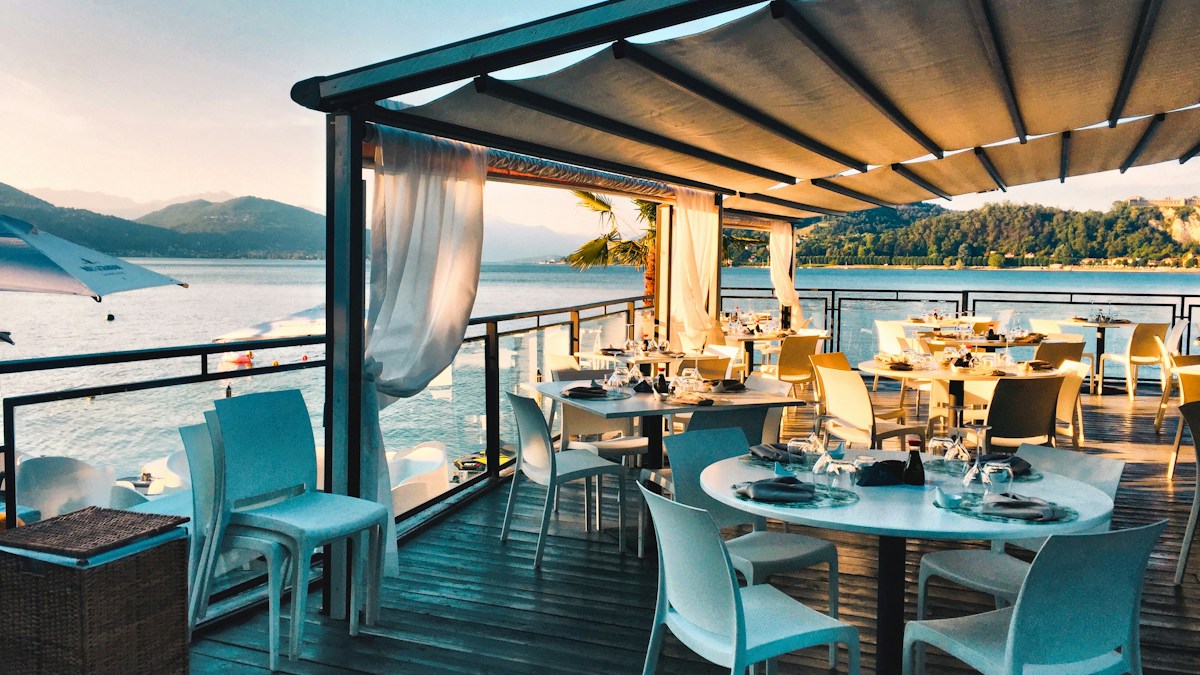
The Visual Language of the Modern Speakeasy
There is a specific aesthetic that has become the global uniform for the "serious" cocktail bar. It starts with exposed brick, preferably with a light patina of dust that suggests age without actually being old.
Then come the Edison bulbs, hanging at uneven heights like glowing amber teardrops from a ceiling painted matte black. They provide just enough light to see your menu but not enough to notice that the "reclaimed wood" bar top was actually purchased at a Big Box retailer last Tuesday.
This design language isn't just a choice; it’s a security blanket for developers. It signals to a specific class of consumer that they are in a "safe" space where the ice will be clear and the music will be jazz-adjacent.

We see this same homogenization happening across all sectors of lifestyle design. For instance, Why Every Major Fashion Brand Is Suddenly Making Furniture explores how brands are desperate to control every visual aspect of our domestic lives.
In the bar world, this has resulted in a staggering lack of imagination. Designers are no longer creating spaces; they are assembling kits that can be shipped to a strip mall in Scottsdale or a basement in Berlin.
Leather barstools with brass tacks, subway tiles in the bathroom, and a shelf of vintage glassware that no one is allowed to use. It’s a stage set, not a sanctuary.

The $18 Drink Formula and the Death of Mystery
The drinks themselves have followed a similar path toward total predictability. Every menu now features a "House Old Fashioned" with a locally sourced honey syrup and a "Spicy Margarita" variant that uses an amaro you’ve never heard of.
There is a performative nature to the modern cocktail that has eclipsed the actual flavor. The bartender doesn't just make a drink; they execute a ritual involving Japanese cobbler shakers and long-stemmed bar spoons that click-clack with rhythmic precision.
The ingredients have become a checklist of craft clichés. You need an egg white for foam, a large format ice cube stamped with a logo, and a garnish that has been dehydrated until it resembles a piece of discarded leather.

This formulaic approach has killed the element of surprise that once defined the early days of the movement. When Milk & Honey opened in New York in 1999, the lack of a menu was a revelation because it forced a conversation between the guest and the maker.
Now, the menu is a dense document of botanical names and obscure bitters designed to make the guest feel slightly ignorant. It’s a gatekeeping exercise disguised as expertise.
We are living in an era where the "vintage" feel is manufactured at scale. As I noted in The Vintage Aesthetic Is Dead — How Fast Fashion Finally Killed It, once a look becomes accessible through fast-production methods, it loses its cultural capital.

The Rise of the Hospitality Industrial Complex
What started as a grassroots movement led by obsessives like Sasha Petraske and Audrey Saunders has been swallowed by the Hospitality Industrial Complex. These are the massive groups that own twelve different concepts in one city, all sharing the same back-end infrastructure.
These groups have mastered the art of the "bespoke" experience at scale. They know exactly which velvet fabric will withstand 500 spills and which lighting dimmer will make a $24 cocktail look like a bargain.
When a bar is designed by a committee and funded by private equity, the primary goal shifts from hospitality to optimization. Every square inch of the room is calculated for maximum revenue per hour.

This is why you now see "reservations required" for bar stools and strict two-hour time limits on tables. The bar has ceased to be a "third place"—that vital space between work and home—and has become a high-throughput factory for ethanol delivery.
The staff, once the heart of the operation, are often trained to be interchangeable parts. They are taught the specs of the drinks, but not the soul of the service, leading to an experience that feels technically proficient but emotionally hollow.
It’s the same logic that has infected other industries, where the goal is to create a predictable product that can be replicated infinitely. It's safe, it's profitable, and it's profoundly uninspiring.
Designing for the Grid Instead of the Guest
The most devastating blow to the craft cocktail bar was the rise of the "Instagrammable" moment. Designers now prioritize how a bar looks through a smartphone lens over how it feels to sit in for three hours.
This has given us neon signs with "clever" quotes, floral walls that are magnets for dust, and drinks served in vessels that are impossible to sip from. The aesthetic is no longer about comfort or intimacy; it’s about social proof.
When you design for the grid, you design for the first five seconds of an experience. You ignore the acoustics, the ergonomics of the chairs, and the flow of the room in favor of a "hero shot" that will drive traffic on a Saturday night.

This trend parallels the shift we see in fashion, where even the most functional items are being redesigned for visual impact. In The Ugly Shoe Trend Finally Makes Sense — And It’s About Survival, I discussed how aesthetics often pivot toward the extreme to grab attention in a crowded marketplace.
In the bar world, this means more dry ice, more gold leaf, and more unnecessary theatrics. It’s a desperate plea for relevance in an attention economy that has no patience for subtlety.
The tragedy is that the better a bar looks in a photo, the worse it often feels in person. The lighting is too bright for the photo, the music is too loud to compete with the crowd, and the drinks are too pretty to actually taste good.
The Death of the Local Identity
One of the greatest joys of traveling used to be discovering the unique drinking culture of a specific city. A bar in New Orleans felt like New Orleans; a pub in London felt like London.
But the craft cocktail template has acted as a global eraser of local identity. Whether you are in Singapore, Tokyo, or Des Moines, the "craft" bar looks and feels exactly the same.
They all use the same Leopold coupes from Cocktail Kingdom. They all stock the same four brands of mezcal and the same six bottles of amaro.
This homogenization is a byproduct of the "best of" lists and global awards that have created a singular standard for what a "great" bar should be. Everyone is studying the same syllabus, so everyone is turning in the same homework.
We are losing the regional quirks and the "wrong" choices that make a place memorable. The weird dive bar with the carpeted floors and the questionable jukebox is being replaced by a polished, pre-packaged version of "cool."
It’s a cultural gentrification that replaces character with commerce. We are trading the authentic for the curated, and we are paying a premium for the privilege.
The Post-Craft Future: Where Do We Go From Here?
The bubble is beginning to show cracks, and the sophisticated drinker is starting to look for something else. There is a growing fatigue with the $20 cocktail and the three-page menu of ingredients that require a degree in botany to understand.
We are seeing a return to the "high-low" experience—bars that serve a world-class Martini alongside a cold beer and a shot of whiskey. These places prioritize the vibe over the vessel, and the person over the pour.
The next era of nightlife won't be about more "craft"; it will be about more character. It will be about bars that aren't afraid to be ugly, or loud, or weirdly specific to their neighborhood.
We need spaces that haven't been optimized by a hospitality group or designed for an Instagram story. We need bars that feel like they belong to the people who frequent them, not the people who funded them.
The craft cocktail renaissance was a necessary correction to a dark age of bad drinks. But now that we’ve mastered the technique, it’s time to throw away the template and start making things that actually matter again.
Until then, I’ll be at the dive bar down the street. The lighting is terrible, the stools are ripped, but at least I know exactly who I’m drinking with.