
The bottle arrives sweating, its label a frantic collage of neon shapes and Sans Serif fonts that look like they were designed on a cracked iPhone. It’s a Pet-Nat from the Loire Valley, or maybe a Zibibbo from Sicily, though the origin matters less than the vibe it projects across the table.
Enjoying this? Never miss a story.
We are living in the age of the "glou-glou," where wine is no longer a drink but a visual accessory for a generation that values authenticity over polish. For a decade, the natural wine movement was the ultimate middle finger to the stuffy, velvet-curtained world of traditional viticulture.
But the rebellion has become a routine, and the punk rock is sounding more like a corporate jingle. What started as a search for purity has devolved into a messy intersection of hype-culture, bad design, and questionable chemistry.

The Visual Language of the Neon Label
In the early days, you could identify a natural wine by its aura of mystery. There were no gold foils or embossed crests; instead, you found hand-drawn sketches and cryptic names that felt like secret handshakes.
Today, the aesthetic has been codified into a set of predictable tropes that signal "cool" to anyone with a TikTok account. We’ve traded the dusty cellar for the digital feed, prioritizing the label’s shelf-appeal over the liquid’s structural integrity.
Every bottle now looks like a graphic design thesis project, utilizing the same vibrant color palettes and chaotic layouts. It’s a visual shorthand for "low intervention," even when the wine inside is anything but revolutionary.

This shift in design mirrors a broader trend where the packaging does the heavy lifting for the product. Much like we discussed in The Wellness Aesthetic Is Dead — Here’s What Killed It, the performance of being natural has become more valuable than the reality of the process.
We are buying the lifestyle of the winemaker—the sun-drenched hills of the Auvergne, the rugged hands, the refusal to use sulfur. The wine itself is often secondary to the story told by the matte-finish paper and the quirky wax seal.
When the aesthetic becomes the primary driver of consumption, the substance inevitably starts to slip. We are drinking the brand, not the land, and the land is starting to feel like an afterthought.

When Flaws Are Marketed as Features
There is a specific smell that has come to define the modern wine bar: a mix of sourdough starter, wet dog, and bruised apples. In the traditional world, these are known as "faults," the result of poor hygiene or uncontrolled fermentation.
In the natural wine world, these flaws have been rebranded as "funk." We are told that the mousey finish or the volatile acidity is just the wine expressing its untamed spirit.
It’s a brilliant marketing maneuver that turns a lack of technical skill into a mark of authenticity. If your wine tastes like a barnyard floor, it’s not bad winemaking—it’s just "alive."

But there is a limit to how much volatility a palate can take before it simply stops being enjoyable. We’ve reached a point where people are afraid to call out a bad bottle for fear of sounding like a boomer who only drinks Napa Cab.
This cult of the flaw has created a ceiling for the movement’s quality. When everything is allowed to be messy, nothing is required to be great, and the consumer is left holding a $45 bottle of expensive vinegar.
True low-intervention winemaking requires more skill, not less, to keep the wine stable without chemical crutches. By celebrating the failures, we are doing a disservice to the masters of the craft who produce clean, transcendent natural wines.
The Corporate Colonization of the Vine
Whenever a niche subculture gains enough cultural capital, the giants of industry eventually come knocking with their checkbooks. We are seeing the same consolidation in the wine world that we’ve seen across the economy at large.
Large conglomerates like LVMH and Constellation Brands are quietly snapping up smaller labels or launching their own "natural-adjacent" brands. They’ve realized that the "organic" and "sulfur-free" tags are goldmines for the younger demographic.
This is the same phenomenon explored in The Real Reason True Market Competition Is Quietly Disappearing. Behind the hand-drawn label, there is increasingly a board of directors and a marketing team optimizing for scale.

When industrial players adopt the language of the small farmer, the meaning of that language begins to erode. "Low intervention" becomes a buzzword used to justify a higher price point rather than a commitment to the soil.
The supply chain for these wines is also becoming increasingly homogenized. The same few distributors control the flow of the "it" bottles, ensuring that the same ten wines appear on every menu from Copenhagen to Los Angeles.
This creates a feedback loop where only a certain style of wine is deemed commercially viable. The diversity of the movement is being sacrificed at the altar of predictable, high-volume "juice."
The NBA Tunnel Walk of the Dinner Table
Wine has entered the realm of high fashion, becoming a status symbol that is flaunted with the same intensity as a pair of limited-edition sneakers. It is the new hype-beast currency, driven by scarcity and social media visibility.
Look at the way bottles are presented in modern restaurants—they are placed on the table like trophies. The label is always facing the camera, ready for the inevitable Instagram story that signals the drinker's refined, yet edgy, taste.
This crossover into the fashion world is no accident; it follows the same trajectory as other cultural artifacts. We saw this in How the NBA Tunnel Walk Became the World’s Most Expensive Runway, where personal style became a high-stakes performance of brand alignment.

When a bottle of Frank Cornelissen’s Susucaru becomes a meme, it loses its connection to the volcanic slopes of Mount Etna. It becomes a prop in a larger theatrical production of "The Good Life" as defined by the internet.
The demand for these trophy bottles drives prices to absurd levels, pricing out the very people who built the movement. Natural wine was supposed to be democratic, but it has become an elitist playground for those who can afford the markup.
We are no longer drinking for pleasure; we are drinking for proof of presence. The liquid is the least important part of the transaction, and that is a tragedy for the craft.
Why Every Wine Bar Looks Exactly the Same
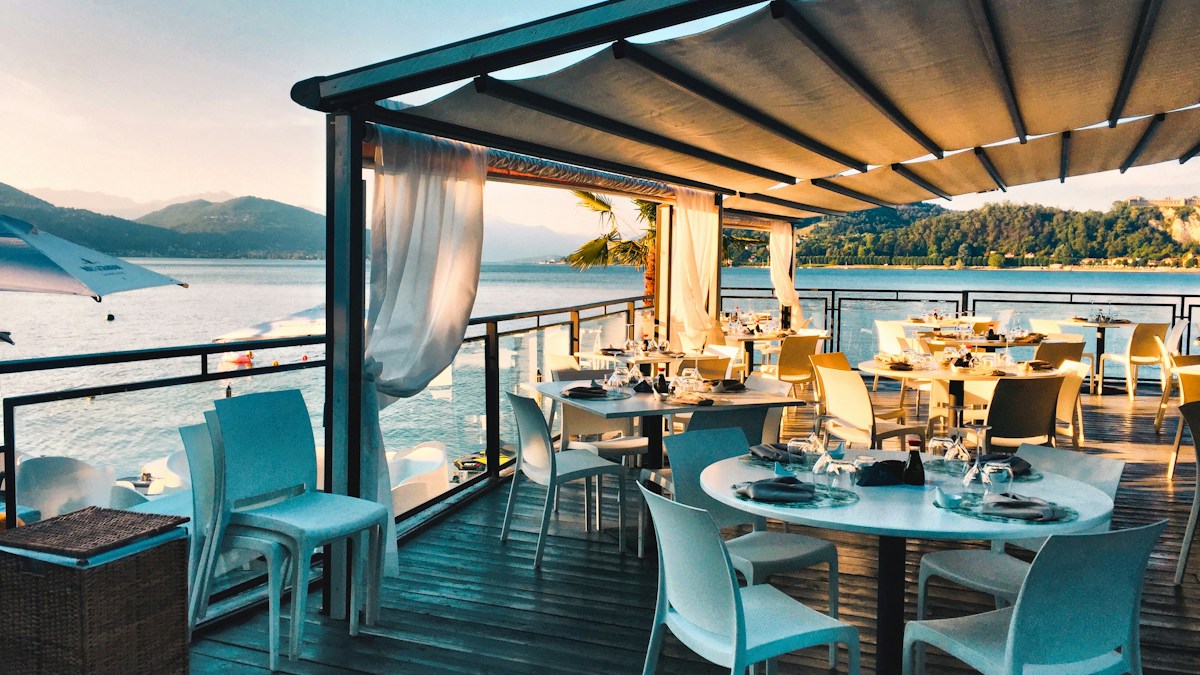
Walk into a natural wine bar in Tokyo, Paris, or New York, and you will likely see the same interior design playbook. It’s all light-colored wood, exposed brick, dangling Pothos plants, and a wall of bottles without a list.
There is a crushing uniformity to the "natural" aesthetic that feels at odds with its supposedly wild and unpredictable nature. It is the hospitality version of the "AirSpace" phenomenon we’ve seen in urban development.
For more on this, look at Why Every New Neighborhood Looks Exactly the Same. The global homogenization of cool has reached the wine cellar, and it’s making the world feel very small.
These spaces are designed to be photographed, with lighting that favors the orange hue of a skin-contact wine over the comfort of the guest. They are temples to a specific type of curated minimalism that feels increasingly hollow.
The conversation in these bars is often as repetitive as the decor. It’s a litany of technical terms—carbonic maceration, native yeasts, zero-zero—used to establish a hierarchy of knowledge.
We’ve replaced the pretension of the old world with a new, more insufferable kind of pretension. Instead of talking about vintages and terroir, we talk about "vibrancy" and "energy," as if the wine were a yoga retreat.
The Return of the Clean Glass
The pendulum is starting to swing back, as it always does in the world of fashion and flavor. After years of drinking cloudy, explosive juices, a new generation of drinkers is rediscovering the beauty of clarity.
There is a growing fatigue with the "funky" and the "weird." People are beginning to realize that a wine can be made with minimal intervention and still taste like, well, wine.
We are seeing a return to classicism, but with the lessons of the natural movement integrated into the process. The future isn't in the extreme, unpalatable bottles of the fringe, but in the balance of tradition and ethics.
The producers who will survive this bubble are those who prioritize the health of their vineyards over the trendiness of their labels. They are the ones who understand that sustainability is a long game, not a marketing cycle.
As the hype-beasts move on to the next big thing—perhaps artisanal cider or high-end mead—the true believers will remain. They will be the ones sitting in the back of a dimly lit bar, drinking something that is clean, precise, and deeply rooted in a specific place.
The natural wine craze isn't dying because the wine is bad; it's dying because it became too loud. In the end, the best wines are the ones that don't need to scream to be heard.
The era of the neon label is fading, and frankly, I can’t wait to see what’s underneath the sticker. It’s time to stop drinking the hype and start tasting the grapes again.