
Ina Garten has spent the better part of three decades telling us to relax. Buy the rotisserie chicken. Use the good vanilla extract from the bottle. Don't make your own puff pastry — nobody has time for that, and the frozen kind is genuinely excellent. Her whole philosophy is a warm hand on the shoulder, a glass of Burgundy pressed into your hand, a voice saying: you're already doing great, sweetheart.
Enjoying this? Get stories like this delivered daily.
So when the Barefoot Contessa herself says there is one food — one specific, findable, everyday food — that she absolutely will not buy pre-made, that she insists on doing herself every single time, you stop. You put down your grocery basket. You listen.
Introduction
The story breaking across food media this week is deceptively simple: Ina Garten, the woman who built an empire on the permission to take shortcuts, has a hard limit. The food in question is stock — specifically, homemade chicken stock. While Garten has long endorsed store-bought broths as acceptable in a pinch, she has made clear in recent interviews and social posts that when it comes to the foundation of her soups, braises, and risottos, she makes her own. Every time. No exceptions.

This is not a small thing. Stock is the base of everything. It's the reason a restaurant's soup tastes different from yours even when you follow the same recipe. It's what separates a braise that makes you close your eyes from one that's just... fine. And it's also, historically, the thing most home cooks skip entirely — grabbing a cardboard carton off the shelf because the idea of making stock feels like a whole project.
The thing is, Ina Garten's exception to her own most famous rule tells us everything about what actually matters in cooking. Today, we're going deep on why stock is worth your Sunday afternoon, how to make it the way Garten does, and why this particular shortcut is the one that costs you more than you think.
Why 'Store-Bought Is Fine' Became a Cultural Moment
Before we talk about the exception, we have to honor the rule. Ina Garten's "store-bought is fine" philosophy didn't just change how people cook — it changed how people feel about cooking. Before Garten made it fashionable to admit you bought the crème fraîche, there was a pervasive guilt culture in home cooking that made shortcuts feel like cheating.

Julia Child had set the standard for French technique. Cooking shows in the '80s and '90s rewarded complexity. And then Garten walked into the frame with her Hampton's kitchen and her Jeffrey-is-coming-home-for-dinner energy and said: use the good store-bought mayonnaise and stop torturing yourself. It was radical. It was also, for millions of home cooks, a genuine relief.
Her Barefoot Contessa cookbooks have sold over 12 million copies combined, according to Clarkson Potter. The Food Network show that ran for 11 seasons averaged over 1 million viewers per episode at its peak. Her reach into American home cooking is not metaphorical — it's measurable. Which is exactly why when she carves out an exception, the food world pays attention.
What Makes Stock the Exception
Garten's reasoning for making her own stock is rooted in something very specific: control over flavor depth. Store-bought stock — even the good ones, even the low-sodium organic varieties that cost $6 a carton — is engineered to taste like a neutral, inoffensive base. It is designed to not offend. And that, Garten has argued, is exactly the problem.

Homemade chicken stock has a quality that food scientists call mouthfeel — the gelatin from slow-cooked bones gives it a body and richness that no carton can replicate. When you reduce homemade stock, it thickens naturally. When you use it in a risotto, it coats every grain of rice with something that tastes like intention.
And honestly, the difference is not subtle. I've made chicken stock maybe forty times in my life — starting badly, with not enough bones and too much water, producing something that tasted like warm disappointment — and the version I make now, after finally paying attention to what Garten actually does, tastes like a completely different substance than anything in a carton.
The Science Behind Why Homemade Wins
Here's the why, because you deserve to understand it: when chicken bones roast and then simmer in water for three or more hours, the collagen in the connective tissue breaks down into gelatin. That gelatin is what makes properly made stock wobble like Jell-O when it's cold. It's also what gives finished dishes their glossy, rounded quality.

Commercial stocks are typically made at scale and then pasteurized at high heat, which degrades both the gelatin and the aromatic compounds that make stock taste alive. Some brands add yeast extract or MSG to compensate — not a crime, but not the same thing. A 2019 analysis by Cook's Illustrated found that homemade stock contained significantly higher levels of gelatin than every commercial stock they tested, including the premium refrigerated varieties.
The gap isn't about effort or skill. It's physics. You can't shortcut collagen extraction.
Ina Garten's Actual Method (And What She Gets Right)
Garten's chicken stock recipe, published in her 1999 debut cookbook The Barefoot Contessa Cookbook and refined across subsequent volumes, is not complicated. But it is specific. And the specificity is the point.

She starts with a whole chicken — not just bones, but a whole bird — plus additional backs or wings for extra collagen. The chicken goes into a large pot with cold water, which is important: starting cold allows impurities to rise slowly and be skimmed, rather than sealing them in with a hot start. You bring it to a boil, skim the foam that rises (this is the step most people skip, and it matters — that foam is coagulated protein and it will make your stock cloudy and slightly bitter if you leave it), then reduce to a gentle simmer.
You're going to want to do this step slowly. A rolling boil will emulsify the fat into the stock and make it greasy and murky. A bare simmer — just a few lazy bubbles breaking the surface — is what produces that clear, golden, luminous result.
The Aromatics That Change Everything
Garten adds onion, carrots, celery, fresh parsley, fresh thyme, a bay leaf, black peppercorns, and — this is the detail I always come back to — a whole head of garlic, cut in half crosswise. Not minced, not pressed. Just halved and dropped in. The cut surface caramelizes slightly and releases a sweetness that you won't be able to identify in the finished stock but will absolutely notice if it's missing.

She simmers the whole thing for four hours. Not two, not three. Four. I know it looks like too much time. It isn't. The last hour is when the stock goes from good to great — when the flavors concentrate and the gelatin fully releases and the whole pot starts smelling like the thing your grandmother made that you've been trying to recreate ever since.
My grandmother, for the record, was a woman named Dolores who kept a pot of stock going on her stove in Tucson almost every weekend. She called it her "Sunday project." I didn't appreciate what she was doing until I was in my late twenties and finally made my own and understood: she was building flavor infrastructure. She was making everything else taste better.
The Real Cost of the Shortcut
Here's the argument people make against homemade stock: it takes too long, and good commercial stock is good enough. And I want to be fair to this argument, because Ina Garten herself has made a version of it for years about other foods.

But the math on stock is different. You are not standing at the stove for four hours. You are walking away and doing other things while your kitchen fills with an aroma so good that your neighbors will start inventing reasons to knock on your door. The active time is maybe twenty minutes — washing the chicken, chopping the vegetables, skimming the foam, straining at the end.
And the yield is significant. One batch of Garten's stock makes roughly four quarts. At current grocery prices, four quarts of premium commercial stock runs about $20-24. A whole chicken for stock purposes — you can use a spent rotisserie carcass, which costs you nothing — plus aromatics costs maybe $5 if you're buying everything fresh. The economics aren't even close.
What You Lose When You Skip It
Critics of the homemade-stock position will point out that in most recipes, the stock is one of many components and its quality is diluted by everything else. This is true for some dishes and completely false for others.
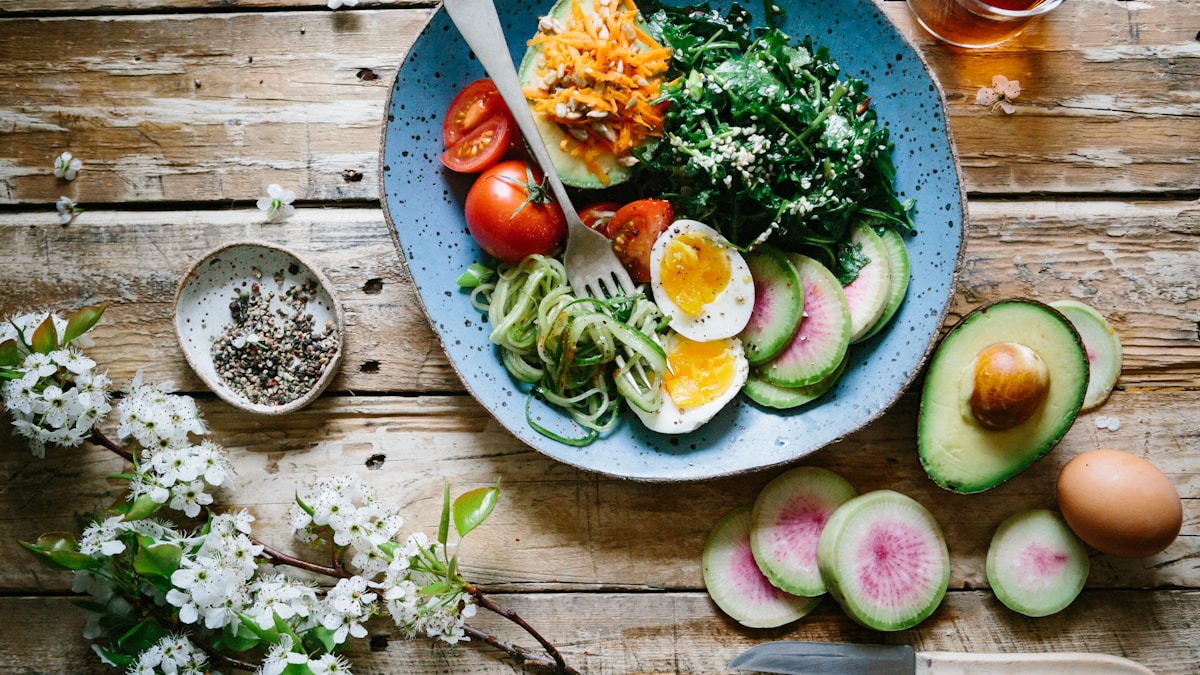
In a French onion soup, the stock is the soup. In a risotto, the stock is absorbed into every grain of rice. In a simple pan sauce — the kind you make by deglazing a skillet after searing chicken thighs — the stock is what determines whether the sauce tastes complex or flat. These are not edge cases. These are the dishes that define whether your cooking has a ceiling.
If you've been making risotto with carton stock and wondering why it never quite tastes like the restaurant version, I'm gently suggesting you've found your answer. And if you want a dish that shows off what great stock can do at its simplest, The Poor Man's Pudding Recipe the Internet Can't Stop Making is a good reminder that the best food is often about the foundation, not the flourish.
How to Store It So You Actually Use It
The other reason people don't make stock is that they don't have a system for storing it. And without a system, a four-quart batch feels like a commitment you're not ready to make.

Here's what I do: I strain the finished stock into a large bowl and let it cool completely in the refrigerator overnight. The fat rises and solidifies on top — you can lift it off in one satisfying sheet and discard it or save it for roasting vegetables. Then I ladle the stock into one-quart freezer bags, lay them flat to freeze, and stack them like books. They thaw in twenty minutes in a bowl of warm water.
With a system like this, making stock becomes a once-a-month habit. And once it's a habit, your cooking changes permanently. Not dramatically, not all at once — but the way cooking changes when you finally own the right pan, or finally understand how to season properly. Something just clicks.
What This Tells Us About Ina Garten's Real Philosophy
The interesting thing about Garten's stock exception is what it reveals about the actual principle underneath her famous shortcut philosophy. She has never been saying: shortcuts are always fine. She's been saying: know which shortcuts matter and which ones don't.
Buy the puff pastry. Don't make your own pasta unless you love the process. Get the good store-bought vanilla. But know your foundations. Know what the base of your cooking is built on, and don't cut corners there.
It's the same principle that separates a great home cook from an average one — not technique, not equipment, not even recipes. It's the willingness to understand what actually matters. Garten has always known that a beautifully roasted chicken served to someone you love, made with store-bought stock, is infinitely better than no dinner at all. But she also knows that her roasted chicken, made with her own stock, is something else entirely.
If you're looking to invest in the right tools to make Sunday stock-making sessions feel less like a chore and more like a ritual, The 4 Pioneer Woman Cookware Pieces Worth Every Single Penny covers some excellent heavy-bottomed pots that hold heat the way stock demands.
The Bottom Line
Ina Garten's exception proves the rule in the most useful way possible. "Store-bought is fine" was never a blanket permission slip — it was a calibration tool. Use it to free yourself from the things that don't fundamentally change the dish. Spend that saved time and energy on the things that do.
Stock is the thing that does. It is the quiet backbone of everything — the difference between a soup that warms you and a soup that moves you, between a sauce that's serviceable and one that makes someone ask for the recipe. Garten has known this since she ran the Barefoot Contessa specialty food store in East Hampton starting in 1978, long before the cookbooks, long before the television show. Good stock was the foundation then. It still is.
Make the stock. Do it on a Sunday when you have nowhere to be. Let your kitchen smell extraordinary for four hours. Freeze it in flat bags and stack them like treasure — because that's exactly what they are. And the next time you make something with it and someone looks up from their bowl with that particular expression, the one that means they can't quite explain why this tastes so different, so much better — you'll know. You'll have earned it.