
There is a specific, electric hum that vibrates through the air when a city is about to welcome a new culinary landmark. You can feel it in the way the morning light hits the dusty windows of a construction site, or in the frantic, hopeful posts of a chef on Instagram sharing their first sourdough starter in a new space.
Spring 2026 isn't just another season of openings; it’s a full-blown renaissance of the American table. After years of predictable concepts, we are finally seeing a return to soul-driven, hyper-specific cooking that feels like a warm invitation into a friend's home.
I’ve spent the last three months chasing leads, visiting dusty job sites, and tasting early iterations of menus from Seattle to Miami. These are the eight restaurants that aren’t just serving food—they are telling stories that we’ve been waiting a lifetime to hear.

1. L’Aube, New York City: The Return of the Quiet Luxury
Chef Jada Moon is a name you might remember from the frenzy surrounding her pop-up in 2023, where she managed to make a simple bowl of broth feel like a religious experience. Now, she is finally opening L’Aube in the heart of Greenwich Village, and the anticipation is reaching a fever pitch among the city's elite foodies.
The menu is a love letter to the transition between winter and spring, focusing on fermented greens and delicate, wood-fired proteins. I had a chance to taste her early-season ramp butter, and it was so vibrant I almost forgot the gray slush of the New York streets outside.
If you’re tired of the cookie-cutter aesthetic we discussed in Why Every New Food Hall Looks Exactly the Same, L’Aube will be your sanctuary. Moon has traded the industrial-chic look for hand-plastered walls and soft, amber lighting that makes every diner look like they’ve stepped out of a Renaissance painting.

2. Ocaso, Los Angeles: A Masterclass in Coastal Smoke
Down in Venice Beach, Chef Mateo Silva is doing something that feels both ancient and entirely new with his latest venture, Ocaso. He’s built a custom outdoor hearth that uses only almond wood to smoke local seafood, creating a flavor profile that is impossibly delicate yet profoundly earthy.
The signature dish is a whole-roasted rockfish, served with a salsa macha that Mateo’s grandmother used to make in Michoacán. It’s the kind of food that demands you use your hands, messy and glorious, while the Pacific breeze carries the scent of salt and smoke across the patio.
This isn't the kind of place that cares about being "Instagrammable," though it certainly is. It’s a place that cares about the $45-per-pound spot prawns sourced from a single boat in Santa Barbara and the relationship between the fire and the fish.

3. The Bitter Root, Denver: Foraging as a Fine Art
In the high altitudes of Denver, Chef Elias Thorne is proving that the Rocky Mountains are a pantry like no other. The Bitter Root is his long-awaited project that focuses exclusively on foraged ingredients and wild game, treated with the technical precision of a French patisserie.
Thorne spends his mornings in the foothills, gathering spruce tips and wild mushrooms that find their way onto the plate by dinner. The result is a menu that feels alive, shifting almost daily based on what the mountain decides to provide that morning.
It reminds me of the craftsmanship we’ve seen in other sectors, much like how The Brutal Betrayal of Glasgow’s Art Scene Is an Aesthetic Tragedy highlighted the loss of local identity. Thorne is fighting that trend by rooting his entire kitchen in the very soil of Colorado.
4. Marigold, New Orleans: The Indo-Caribbean Revolution
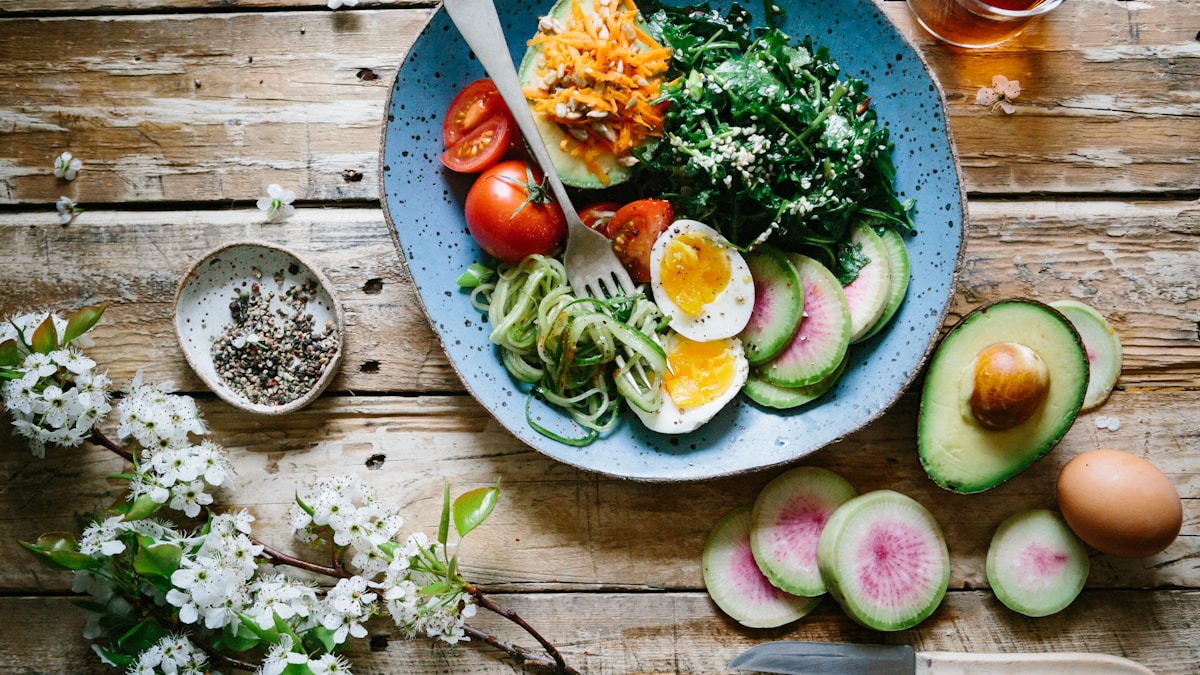
New Orleans has always been a melting pot, but Chef Priya Singh is introducing a flavor profile that the Big Easy hasn't quite seen before. Marigold is a vibrant, neon-hued celebration of Indo-Caribbean fusion, blending the spices of the Punjab with the soul of the West Indies.
Think curried goat po-boys on bread that is so airy it practically floats, and spiced rum cocktails that incorporate tamarind and jaggery. The energy in the room is infectious, fueled by a playlist that shifts from classic jazz to modern Afrobeat as the night progresses.
It’s a far cry from the corporate feel of a suburban development, much like The Real Reason Your Neighborhood Doesn't Have a Trader Joe's Yet explains the logistics of community identity. Singh is building community through a shared love of heat, spice, and the history of migration.
5. Komorebi, Austin: Where Texas Meets Tokyo
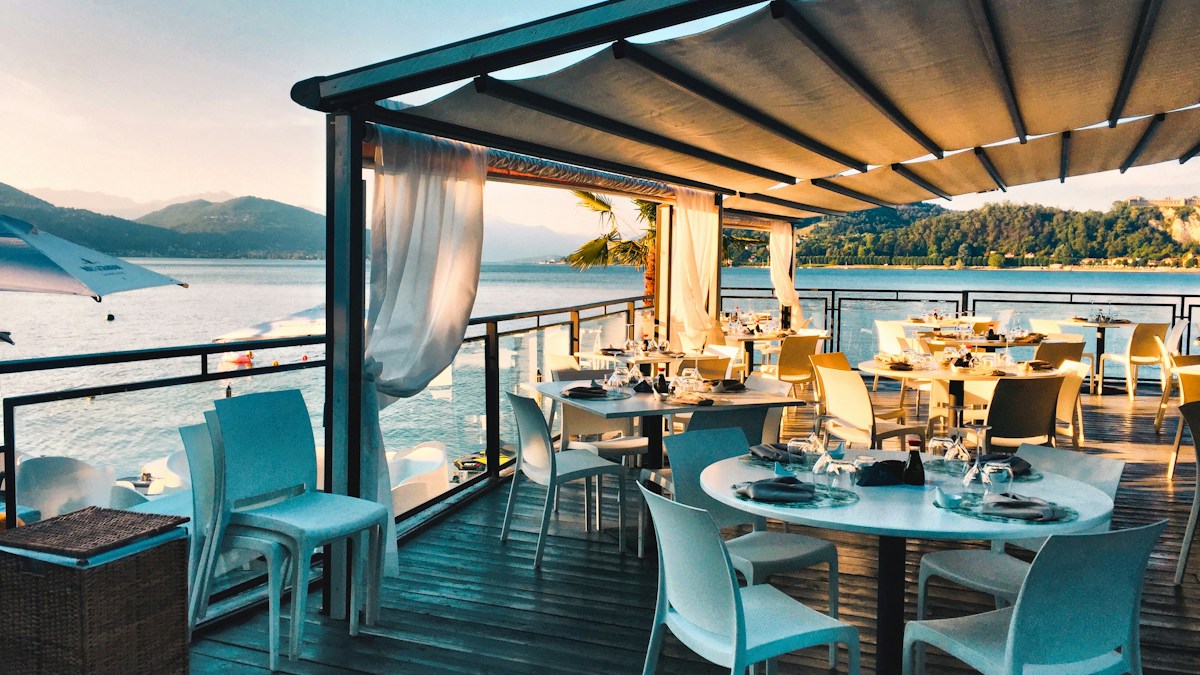
Austin has become a tech hub, and that influence is starting to bleed into its dining scene in fascinating ways. Komorebi, led by Chef Kenji Sato, uses high-tech aging rooms to prepare Texan Wagyu beef that is served in a traditional Japanese omakase style.
The precision here is staggering—Sato monitors the humidity of his beef with more care than most people monitor their bank accounts. Every slice of steak is a testament to the intersection of tradition and technology, much like the conversations surrounding Why Silicon Valley Can't Stop Talking About the SpaceX Share Sale.
But don't let the tech fool you; the heart of this restaurant is purely human. The way Sato explains the provenance of the oak wood used for the grill makes you realize that food is the ultimate bridge between different worlds.

6. Siren, Chicago: The Great Lakes Reimagined
Chicago winters are brutal, but the reward is the spectacular bounty of the Great Lakes in the spring. Siren, located on the revitalized riverfront, is dedicated to elevating freshwater fish to the status usually reserved for bluefin tuna or Osetra caviar.
Chef Sarah Miller is working with local fisheries to highlight whitefish, walleye, and perch in ways that are sophisticated and surprising. I recently tried her smoked trout roe on a sourdough crumpet, and it was a revelation of texture and brine.
In a city where food culture is as competitive as the sports scene—a world currently obsessed with The Real Reason We Refuse to Let Tiger Woods Just Retire—Miller is playing a different game. She’s not trying to out-muscle the competition; she’s trying to out-nuance them.

7. Pétillant, Philadelphia: A Love Letter to the Natural World
Philadelphia’s dining scene has always had a bit of a chip on its shoulder, and Pétillant is the latest reason why it shouldn’t. This natural wine bar and bistro is the brainchild of sommelier-turned-chef Marcelle Dupont, and it is a masterclass in restraint.
The menu is small, consisting of only twelve items that change based on what Marcelle finds at the market that morning. It’s the kind of place where you can spend four hours over a bottle of orange wine and a plate of perfectly cured meats.
If you loved the simplicity of The Spicy Rigatoni That Changed My Entire Relationship With Tuesday Nights, you will find your soulmate in Marcelle’s cooking. She understands that sometimes, the best thing a chef can do is get out of the way of the ingredients.

8. Echo, Nashville: Modern Appalachian Soul
Nashville is often seen through the lens of hot chicken and country music, but Chef Silas Greene is looking toward the mountains for inspiration. Echo is a deep dive into Appalachian foodways, using heritage grains and preservation techniques that have been passed down for generations.
The star of the show is the corn grits, ground fresh daily and served with a dollop of ramp butter and a soft-poached egg. It’s humble food elevated to an art form, served in a space that feels like a modern cabin tucked away in the woods.
Greene’s approach is a reminder that even in a world of digital noise—where we worry about What the TikTok Ban Actually Means for Your Apps—there is something grounding about a hot meal. It’s a sensory anchor in a world that often feels like it’s floating away.

Why These Openings Represent a Turning Point
When we look back at the dining scene of 2026, I believe we will see it as the year we stopped chasing trends and started chasing truth. These chefs aren't opening restaurants to become famous on social media; they are opening them because they have something to say.
They are investing in their communities, sourcing from local farmers, and treating their staff with a level of respect that was once rare in this industry. It’s a shift toward sustainability that goes far beyond the compost bin—it’s about sustaining the culture of hospitality itself.
Whether you’re sitting at the counter at L’Aube or sharing a whole rockfish at Ocaso, you are part of a larger story. You are participating in the grand, messy, beautiful ritual of the American table, and there is no place I’d rather be.
So, clear your calendar and make your reservations now. These tables are going to be hard to come by, but I promise you, the wait will be more than worth it. After all, the best meals are the ones that stay with you long after the check has been paid and the lights have been dimmed.
I’ll see you at the host stand, likely with a glass of something bubbly and a huge smile on my face. Because in the end, food is about more than just flavor—it’s about the people we share it with and the memories we build, one bite at a time.